Few digital experiences are as emotionally charged as spinning a reel, watching a card flip, or waiting for the final number to drop. While games of chance are designed to be fair and random, the experience of playing them is anything but neutral. Developers and designers have mastered the art of shaping player perception through carefully crafted user experience (UX) cues. From colour schemes and animations to sound effects and pacing, every element is designed not only to enhance usability but to create a powerful sense of anticipation and momentum. These cues collectively build the illusion that luck is shifting in the player’s favour—even when outcomes remain statistically impartial. This is a concept found not just in gambling, but in broader digital gaming too. For a deeper look into how aesthetic choices and interaction design affect player psychology, explore this on vgleaks.com—a useful breakdown of how sensory inputs can trigger emotional responses and drive engagement. These design methods are not exclusive to video games; they’ve become essential tools in online casino interfaces as well. Understanding how players respond to these subtle visual and audio cues helps platforms enhance immersion, increase session duration, and build perceived momentum around randomised gameplay.
Turning Modest Wins into Feel-Good Moments
The smallest victories often receive the grandest applause. Platforms commonly use visual effects—bursting coins, golden light rays, animated text—to highlight even low-stakes wins. Accompanied by cheerful soundtracks and vibrating feedback, these moments deliver a dopamine rush out of proportion with the actual payout. The goal here isn’t to mislead the player, but to create emotional reinforcement that keeps engagement high. Over time, players become conditioned to equate small wins with meaningful success.
Suspense by Design: Leveraging Near-Misses and Delays
One of the most effective psychological tools in digital gaming is the carefully engineered near miss. In a slot spin, for example, two jackpot symbols appear in place, while the third spins just a little longer before revealing a non-winning icon. This timed delay—often paired with escalating sound—generates a suspenseful pause, triggering hope and excitement. While the odds haven’t changed, the user’s perception of being “close to winning” increases dramatically. This emotional spike makes them more likely to try again, chasing the feeling of being just one step away.
Sound Design: The Unseen Force Behind Perceived Momentum
Music and sound effects play a major role in how users experience chance. Rising tones during spins, jingles that vary in pitch based on win size, and reward sounds that play even during net losses are all common techniques. Some platforms even provide subtle background music that adapts based on gameplay flow—soothing during downtime, and intense during bonus rounds. These audio layers contribute to a rhythm of engagement that feels more dynamic than the maths behind the scenes.
The Psychology of Colour: More Than Just Aesthetic Choice
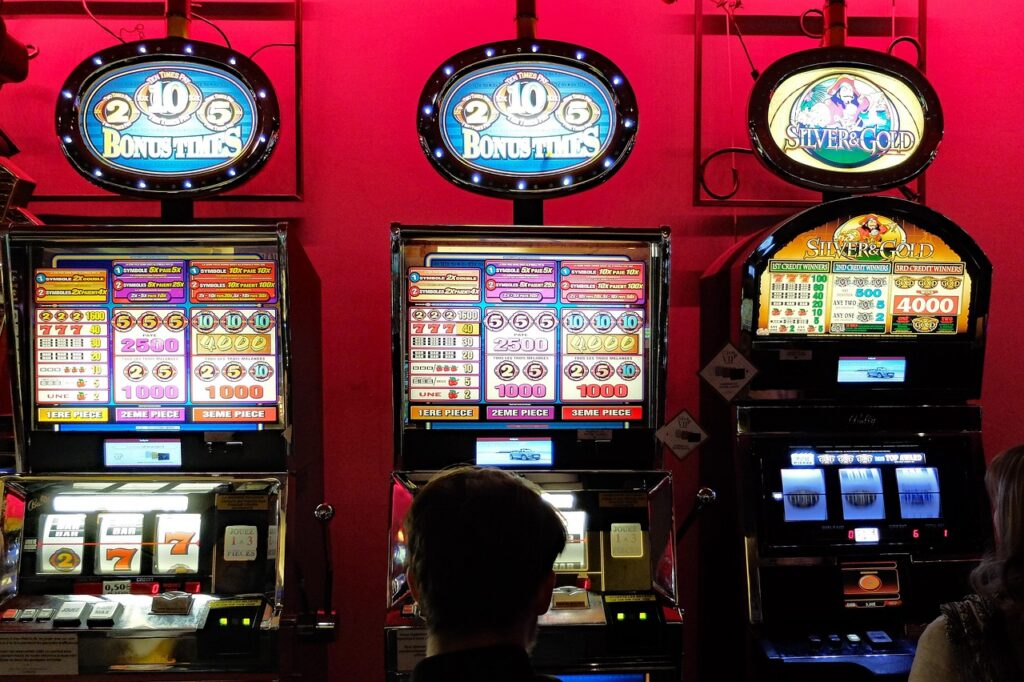
Colours are strategically selected to support mood and influence action. Reds and oranges evoke urgency and excitement, ideal for spin buttons or time-limited offers. Gold and yellow often signal reward or status, used heavily in VIP or bonus sections. Cooler tones—like blues and greys—help calm the user during decision-making or while navigating menus. The contrast between these palettes guides the eye and subtly steers interaction, helping players focus on what the platform wants them to engage with.
Conclusion: Designing the Feeling of Fortune
Chance may be random, but how it’s presented is anything but. Through subtle yet deliberate user experience design, digital platforms create an environment where players feel luckier, more hopeful, and more emotionally invested in each moment. These cues don’t change the underlying odds—but they do shape how the player interprets them. And in the end, it’s that crafted feeling of momentum and near-miss potential that makes the experience truly unforgettable.